Sr. Product Designer | Cofounder MPS App
Bulbul Apps
#1 ed Tech app in 16 countries
Team



UX/UI Methodologies & Techniques:
Specific Component
UX Research
UI Design
QA Implementation
Style Guide
Pattern Library
UI Inventory
UX Audit
Software






Overview
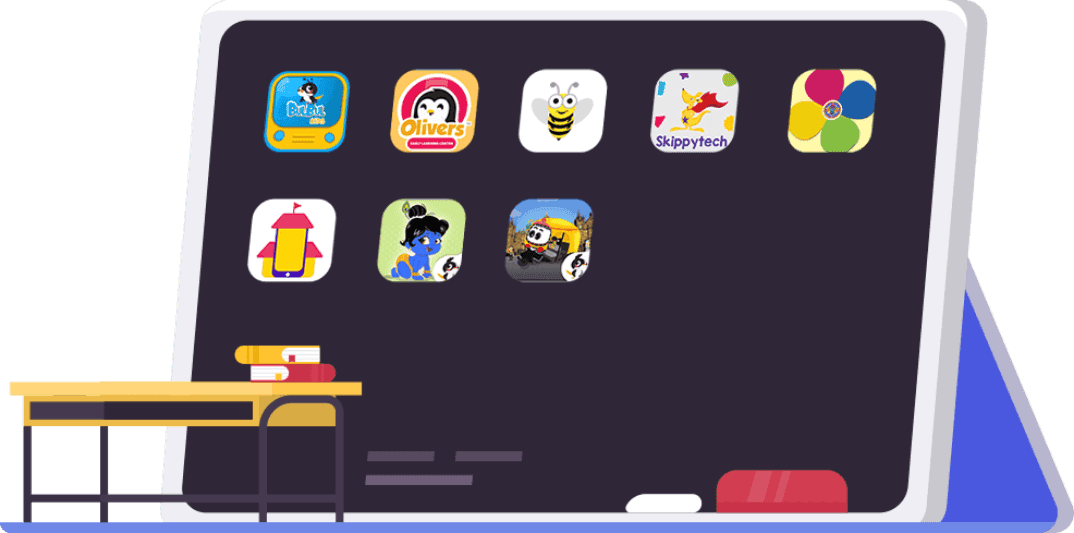
Bulbul Apps is a leading ed-tech company with applications ranking #1 in 16 countries. During my tenure, I led the redesign of our flagship products - co-founding My Preschool App and the B2C Manabadi App for the USA market.
Challenge
Bulbul Apps faced several challenges in the competitive ed-tech market:
1. Inconsistent user experience across multiple applications
2. Low engagement rates, especially on mobile devices
3. Accessibility issues limiting reach to diverse user groups
4. Difficulty in aligning stakeholders on product vision
Research & Discovery
To address these challenges, we conducted extensive user research:
1. User Interviews: Conducted 50+ interviews with students, teachers, and parents
2. Usability Testing: Ran 20 sessions to identify pain points in existing apps
3. Competitive Analysis: Examined 10 leading ed-tech platforms, including Duolingo and Khan Academy
4. Survey: Collected feedback from 750+ users on feature preferences and pain points

The Process
Based on our research, we implemented the following strategies:
1. Unified Design System
- Created a responsive design system for consistent experience across 17 applications
- Implemented accessibility features like adjustable text sizes and high-contrast modes
2. Gamification and Personalization
- Introduced gamified elements inspired by Duolingo's success, resulting in a 35% increase in user engagement
- Developed personalized learning paths based on user behavior and preferences
3. Mobile-First Approach
- Optimized all applications for mobile use, simplifying complex features for smaller screens
- Implemented offline access for key features to address connectivity issues
4. Enhanced Collaboration Tools
- Integrated features for peer-to-peer learning and teacher-student interaction
- Developed AI-powered discussion forums with content moderation
5. Data-Driven UX Improvements
- Implemented analytics to track user progress and identify areas for improvement
- Created personalized dashboards for students and teachers to visualize learning outcomes
New Design System
To ensure consistency across all loan products, I developed a comprehensive design system that included:
A cohesive color palette and typography
Reusable UI components
Responsive design patterns for mobile and desktop
Implementation
1. Prototyping and Testing: Developed high-fidelity prototypes and conducted A/B testing with 1000+ users
2. Iterative Design: Employed agile methodology with 2-week sprint cycles for rapid iteration
3. Stakeholder Workshops:
Results & Impact
1. User Engagement: 35% increase in daily active users across all platforms
2. Customer Satisfaction: 40% improvement in CSAT scores, from 72 to 89
3. Accessibility: 28% increase in users with disabilities accessing our platforms
4. Revenue Growth: Contributed to an average quarterly revenue increase of $380,000
5. Market Expansion: Successfully launched in the USA market, acquiring 100,000+ new users in 6 months
6. App Store Ratings: Improved from 3.8 to 4.6 stars across both iOS and Android platforms
Lessons Learned
1. User-Centered Design: Prioritizing user needs led to significant improvements in engagement and satisfaction
2. Cross-Functional Collaboration: Regular workshops with stakeholders ensured alignment and faster decision-making
3. Data-Driven Iteration: Continuous analysis of user data allowed for targeted improvements
4. Accessibility First: Designing for accessibility from the start broadened our user base and improved overall usability
Conclusions
This project at Bulbul Apps demonstrated the power of user-centered design in transforming ed-tech products. By focusing on accessibility, personalization, and data-driven design, we not only improved user satisfaction but also drove significant business growth. The success of this redesign set a new standard for UX in the ed-tech industry and positioned Bulbul Apps as a leader in the global market.